
UK winter guide 2026Expert DPF Cleaning, Walsall
DPF Problems in Winter: Why Your DPF Light Comes On in Cold Weather
DPF problems in winter are the most common call we take once the clocks go back. Here’s why short, cold journeys block your filter, what you can safely try yourself, and when it’s time to get the DPF properly cleaned.

“It’s gone a bit flat.”
“There’s a funny orange light on the dash.”
“It was fine in the summer.”
Every year it’s the same. The clocks go back, the mornings turn grim, and within a few weeks our phones start ringing with the same story.
It nearly always turns out to be the diesel particulate filter, or DPF for short. And it’s rarely because anything has actually broken. Winter just makes life awkward for a part that needs heat and a decent run to keep itself clean, and most of us give it neither between November and March.
So if your DPF light has just come on, don’t panic. Put the kettle on and have a read. I’ll explain what’s going on, what you can safely try yourself, and when it’s time to stop faffing about and get the filter looked at properly.

What Your DPF Is Actually Doing Under the Car
Think of the DPF as a very fine sieve in your exhaust. Diesel engines make soot, and the filter catches it so it doesn’t come out of the tailpipe. Inside it’s a ceramic honeycomb with thousands of tiny channels, and the exhaust gas is forced through the walls of them.
Now, a sieve that only ever catches things will eventually clog. So your car has a trick. When the filter starts filling up, the engine management raises the exhaust temperature, sometimes by squirting a little extra fuel in late, and burns the soot off. That’s called regeneration, or “regen” if you’re in a hurry.
The catch is that it needs real heat, and it needs it for a good while. Usually somewhere between ten and twenty minutes of the exhaust staying properly hot. On a motorway that’s no bother at all. On a ten-minute dash to the shops in the cold, it never gets going. That gap is where most DPF problems in winter start.
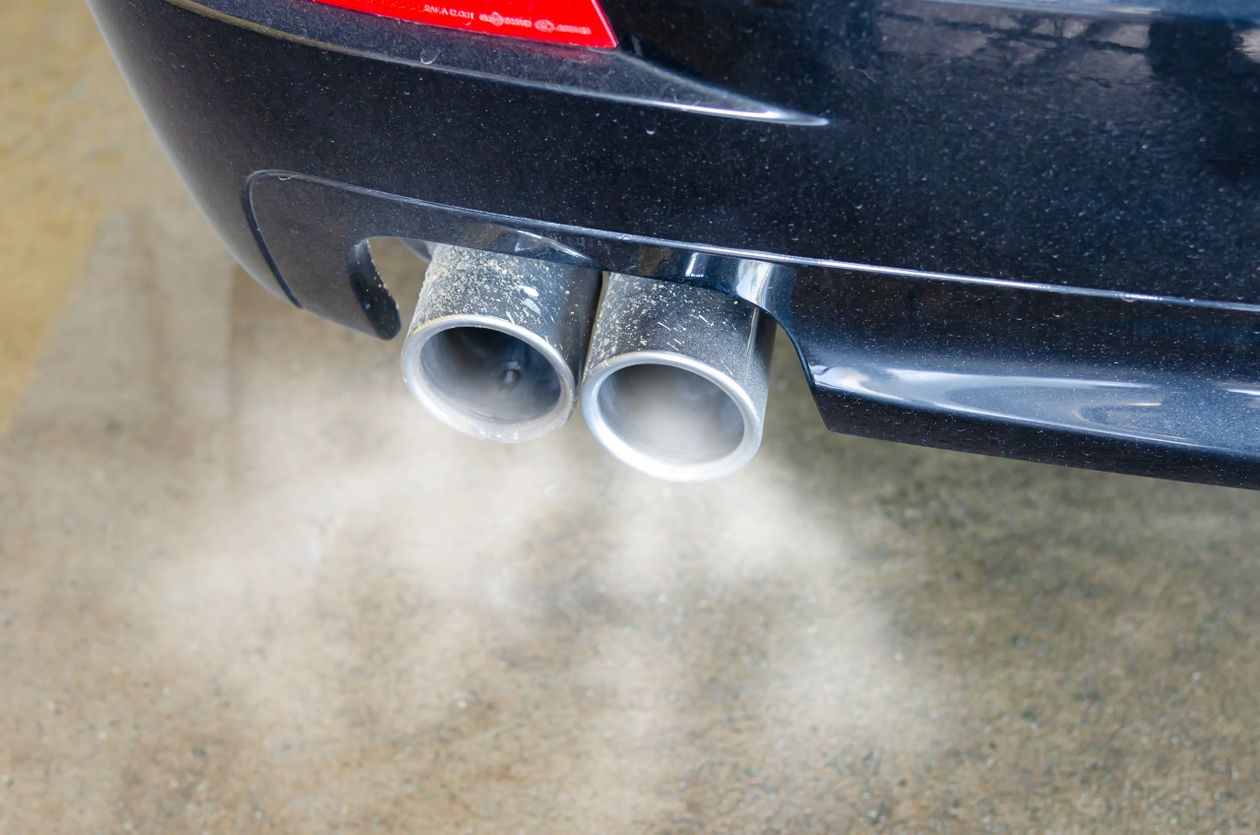
Pick a journey and watch what happens to the channels.
Why Winter Is Such a Pain for Diesels
People often assume the cold itself is the villain. It isn’t, really. It’s what the cold does to the way we drive, and that’s where most winter diesel problems UK drivers face begin. Four habits sit behind most DPF problems in winter.


Perfectly happy. Long summer runs finish every regen.

Dark evenings, wet roads, cold mornings. Nobody fancies a long drive, so the car does the school run, the commute through town, and a quick trip to the Co-op. All short, all slow. The engine barely warms up, and the exhaust is way behind it. A blocked DPF from short journeys is the classic winter story.

On a frosty morning, a big chunk of even a twenty-minute journey is spent just getting everything up to temperature. By the time the exhaust is hot enough to burn soot, you’re pulling onto the drive.

This is the one hardly anybody knows about, and it causes more trouble than the rest put together. When your car starts a regeneration, it needs to finish it. If you switch off halfway, the soot is only partly burned and it’s still sat there. Next time the car tries again, you switch off again, and the filter creeps a bit fuller each time. In summer you’d probably have a longer run in between that finishes the job. In winter, you often don’t, which is why DPF regeneration in winter so often fails.

Sat in a queue with the heater blasting and the demister on, the engine is making soot but not getting hot enough to burn any of it. Add wet roads, careful driving and lots of stop-start, and you’ve got a recipe for a loaded filter.
Put all that together and a filter that was perfectly happy in July can be struggling by Christmas.
How It Feels From the Driver’s Seat
Here’s what I’d tell anyone standing at our counter. Your car will usually tell you something’s up long before it gives up completely. You just have to know how it talks. A DPF warning light in winter is usually the first word it says.

The little box-with-dots symbol is the obvious one. It isn’t the end of the world. It’s the car saying “I’m getting full, give me a decent run.”
You put your foot down to pull out at a roundabout and it just doesn’t have the usual shove. Or it labours up a hill it normally takes in its stride. The engine can’t get its exhaust out properly, so it can’t make its power.
If it gets bad enough, the car protects itself by cutting the power. You’ll find it won’t rev, won’t pick up speed, and there’s usually another warning light joining in. Not fun on a dual carriageway.
Regens burn extra fuel, and a restricted exhaust makes the engine work harder. If you’re visiting the pumps more than usual and you haven’t changed how you drive, take note.
The cooling fan running after you’ve turned the engine off. A higher idle than normal. A hot, slightly acrid smell from the exhaust. If you’re noticing these a lot, the filter is filling quickly.
This one is sneaky. On some diesels, failed regens can push unburnt fuel into the sump, and the oil level on the dipstick creeps up. If it’s sitting above the max mark and you haven’t topped it up, get it checked sooner rather than later.
“A clogged filter is like trying to breathe through a scarf.”
None of these on their own prove it’s the DPF. A dodgy sensor, a sticky EGR valve or an injector problem can feel very similar. But in winter, with the short trips and cold starts, the DPF is always my first suspect. Spotting DPF problems in winter early is what keeps the fix quick and cheap.
The Light’s Come On. Now What?
First, take a breath. An amber DPF light means the filter is filling up, not that it’s dead. Caught early, it’s usually a quick fix. Left for weeks, it turns into a proper job. Most DPF problems in winter can still be sorted at this stage. If the car is otherwise driving normally, here’s what I’d do.
- Check nothing else is complaining
If the DPF light is on its own and the car feels fine, you’re probably early. If there’s an engine management light or a “see garage” message too, or the car feels really down on power, a drive may not be enough.
- Take it for a proper run
Where it’s safe and the roads allow, get out on a dual carriageway or motorway and hold a steady speed for around twenty to thirty minutes. Keep the revs reasonably up rather than short-shifting into a high gear, and try not to keep stopping. Your handbook will have advice for your specific car, and it’s worth a look.
- Don’t switch off halfway
If you notice the fan running or the idle sitting higher than normal, let it finish. The light going out and the fan stopping are good signs the job’s done.
- Be sensible about the weather
I’d rather you wait for a dry day than go charging down the M6 on ice to chase a warning light. No dashboard light is worth a prang. The Highway Code’s advice on driving in adverse weather applies here too.
- Keep an eye on it
If the light’s gone out and the car feels normal again, brilliant. Watch it for a week or two. If it pops back up quickly, something else is going on.
- Know when to stop trying
If a long drive doesn’t clear it, or the light is back within days, don’t just keep repeating the same fix. Repeated failed regens aren’t doing the engine any favours, and on some cars they dilute the oil. That’s the point to get the filter checked rather than hoping the next run will sort it.
A Few Things I’d Steer Clear Of
Over the years we’ve seen people try some creative things. A few of them make the situation worse, so here’s the short version:
Don’t carry on for weeks with the light on and hope for the best. The longer a filter sits heavily loaded, the harder it is to bring back.
Don’t give it a few hard bursts of revs in the drive and call it a regen. A few seconds of throttle doesn’t heat the exhaust for long enough to do anything useful.
And please don’t start poking about with the filter yourself. It’s a delicate ceramic part, and it needs proper kit to clean it. Pressure washers and home remedies tend to end in tears.
When Driving Just Won’t Cut It
Most DPF problems in winter are fixed by a good run. But sometimes the filter has been through too many half-finished regens, and the soot has baked into something much harder to shift.
What happens is this. Repeated partial burns leave the soot compacted. It mixes with unburnt fuel, oily residue and ash, and it sets into a dense layer on the channel walls. The ash is the real problem, because that’s what’s left after soot burns off and it doesn’t burn. It builds up slowly over the life of the filter and no amount of driving will clear it.
At that point the car can regen all day long, and the heat and extra fuel simply can’t shift what’s in there. The channels are physically narrowed, and the only way to get them open again is to clean the filter properly.

You’ll usually know you’re at that stage if:
- The light keeps coming back soon after a long drive.
- The car keeps going into limp mode, or the power loss is there all the time rather than now and then.
- A garage has already done a forced regen and the problem returned.
- It’s been getting steadily worse over weeks.
If that sounds like your car, a professional clean is normally the sensible next step, and in plenty of cases it saves you from replacing the filter altogether.
What a Proper DPF Clean Actually Involves
Not every clean is the same, and honestly this is where it pays to ask questions. A job done properly goes roughly like this.
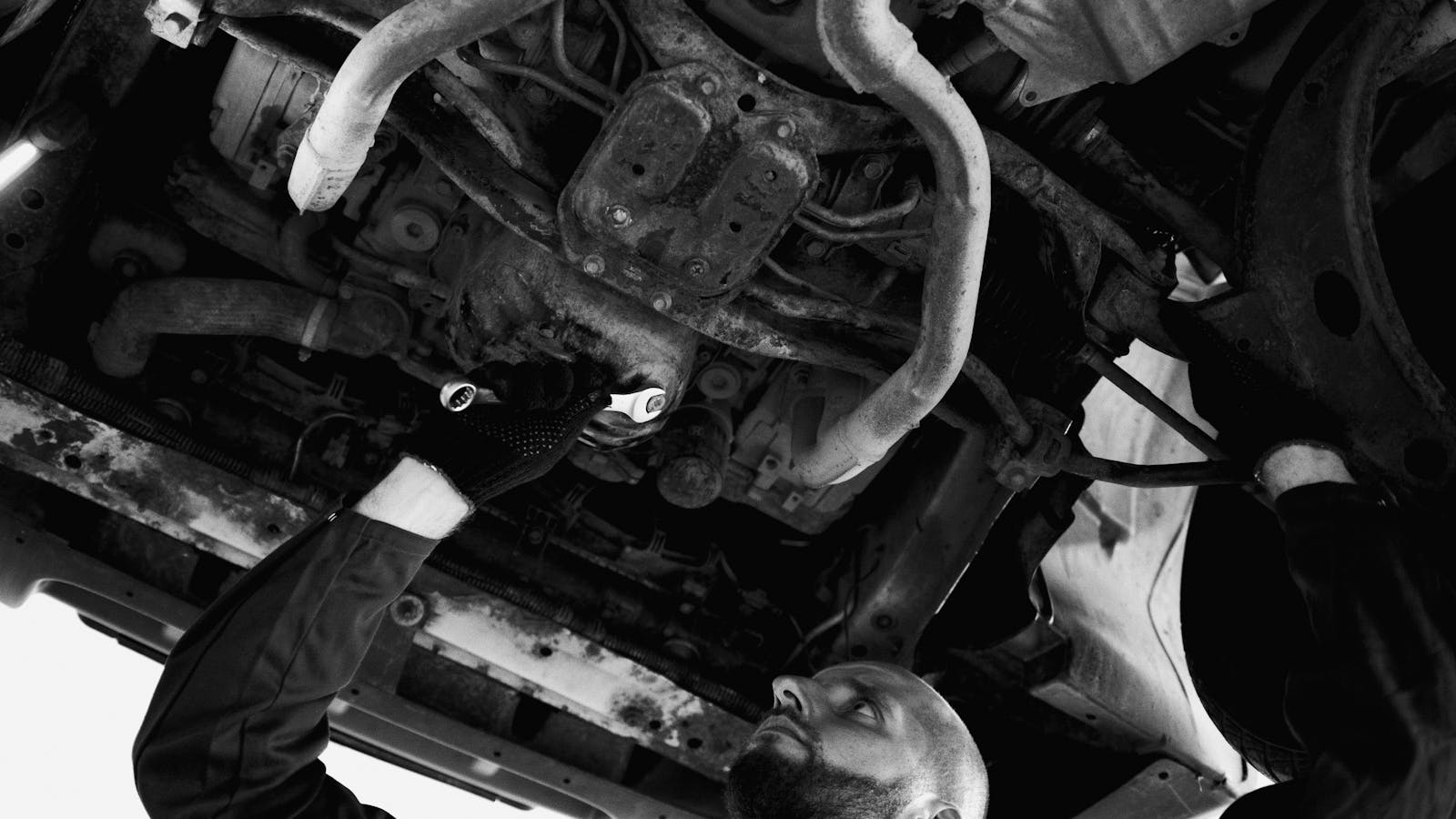
How loaded is it? What’s actually in there? And is it still in one piece? There’s no point cleaning a filter that’s cracked or melted inside.
Breaks down the hardened soot and oily residue that driving can’t touch.
The channels are cleared, shifting the loosened soot and ash out of the honeycomb.
That’s how you know the filter is actually breathing properly again, rather than just looking cleaner.
“A clean without a flow test is a bit like painting a wall without checking if the damp’s still behind it.”
No Car for a Week? There’s Another Way
The thing most people dread about a DPF job isn’t the filter itself. It’s the car being off the road, especially in winter when you really need it for work, the school run and everything else.
That’s why postal DPF cleaning UK-wide has taken off. It works just as well for a van in Birmingham as a lorry in Aberdeen:
- Your garage or mechanic takes the filter off and packs it up.
- It’s sent by courier to our workshop.
- It gets assessed, cleaned and flow tested.
- It’s sent back to be refitted. The car doesn’t have to travel anywhere.


That’s exactly how we work at Expert DPF Cleaning, here in Walsall. Cars, vans, trucks, buses, tractors, plant and industrial generators all come through the door, either dropped off locally or sent in from anywhere in the UK. Every filter is assessed on arrival, cleaned, flow tested and sent back ready to go on. If you’re local and need DPF cleaning in Walsall, pop in. If you’re not, put it in the post.
Preventing DPF Problems in Winter: Looking After Your DPF Through the Cold Months
You can’t change the British weather, but you can change a few habits. None of this is complicated, and these seven are the simplest way to keep DPF problems in winter from turning into a garage bill.
Thirty minutes or more at a steady speed, when conditions allow. If you do nothing else on this list, do that.
Rather than three little trips, link them into one longer one, so the engine and exhaust get a proper chance to warm through.
Sitting for ten minutes warming the cabin doesn’t do your exhaust any favours. Clear the windscreen and set off gently instead.
If you spot the signs, the fan running, a higher idle, that hot smell, try to keep going rather than switching off.
A light that appears once and clears is a nudge. A light that keeps coming back is the car begging for attention.
Use the right oil for your engine. It helps keep ash down and the systems around the filter healthy.
A tired sensor, a clogged EGR or a leaky injector can all feed extra soot into the filter. Clean the filter without fixing the cause and you’ll be back with the same problem in a few months.
If you run vans or a small fleet, it’s worth planning ahead as well. Put a longer run into the rota where you can, keep an eye on who’s regenerating a lot, and get filters checked before the worst of the weather rather than during it. Our fleet DPF cleaning service is built for exactly that.
The Short Version on DPF Problems in Winter
Winter doesn’t break your DPF. It just creates the perfect conditions for one that’s already working hard to start struggling. Short journeys, cold starts, queues and gloomy afternoons all take heat away from a part that depends on it, and a small niggle in November can be a stubborn one by February.
The good news is that most DPF problems in winter are very beatable if you catch them early. Take the light seriously, give the car a proper run when it’s safe, and avoid the habits that make it worse. And if the light keeps coming back or the car starts losing its pull, don’t keep gambling on one more long drive. Get the filter properly looked at.
Winter takes the heat away. A proper run gives it back.
Got a DPF Light On This Winter?
If your DPF light keeps coming back, your car’s losing power, or you look after vans, plant or generators that struggle in the cold, give us a ring. At Expert DPF Cleaning we assess, clean and flow test filters for cars, commercials and industrial kit, from our base in Walsall and by post from anywhere in the UK. We sort DPF problems in winter every single day.

Frequently Asked Questions
Why does my DPF light come on in cold weather?
Cold weather means shorter journeys, longer warm-up times and slower traffic, so the exhaust rarely gets hot enough to burn off the soot. The filter fills up faster than it can clear itself, and the light comes on to tell you it needs a proper run.
How long should I drive to clear a DPF warning light?
A common recommendation is around 20 to 30 minutes at a steady, higher speed, such as on a dual carriageway or motorway, where it’s safe to do so. Every car is a bit different, so check your handbook, and never take risks on wet or icy roads to chase a warning light.
Is it safe to drive with the DPF light on?
If the car is driving normally, you can usually carry on for a short while and arrange a longer drive to clear it. If the light comes with an engine warning, a loss of power or limp mode, get the car checked promptly rather than carrying on as normal.
What happens if I switch off during a regeneration?
The regeneration stops, and the soot that was partly burned stays in the filter. The car will try again next time, but repeated interruptions leave the filter fuller each time, which is why winter short journeys cause so much trouble.
Why does my DPF keep blocking every winter?
It usually comes down to how the car is used. If most journeys are short and slow, the exhaust rarely gets hot enough to finish a regeneration. Over a winter the build-up adds up, and hardened soot and ash can become too much for the car to clear on its own.
Can a blocked DPF be cleaned instead of replaced?
In many cases, yes. If the filter’s internal structure is undamaged, professional thermal and ultrasonic cleaning can remove the soot and ash and restore exhaust flow, so replacement is not usually the first option.
How do I know if I need professional DPF cleaning?
If the warning light keeps returning after a long drive, the car goes into limp mode, the power loss is constant, or a forced regeneration only helped for a short while, the filter is probably beyond what driving can fix. A proper assessment will confirm whether cleaning is the right step.
Can I send my DPF to you by post?
Yes. Your garage or mechanic removes the filter, packs it securely and sends it to us. We assess it, clean it, flow test it and return it ready to be refitted. We accept filters from across the UK.
Do you clean DPFs from vans, trucks and industrial equipment as well as cars?
Yes. We clean filters from cars, vans, light commercials, trucks, buses, tractors, construction machinery and industrial generators.
Where are you based?
We’re in Walsall in the West Midlands, looking after customers in Walsall, Birmingham and the surrounding area, as well as customers nationwide through our postal service.