
Is your BMW showing a DPF warning light? Losing power on the motorway? You’re not alone — blocked Diesel Particulate Filters are one of the most common and costly problems facing BMW diesel owners across the UK. This guide explains what goes wrong, why it happens, and how professional DPF cleaning fixes it.
What is a BMW DPF and why does it matter?
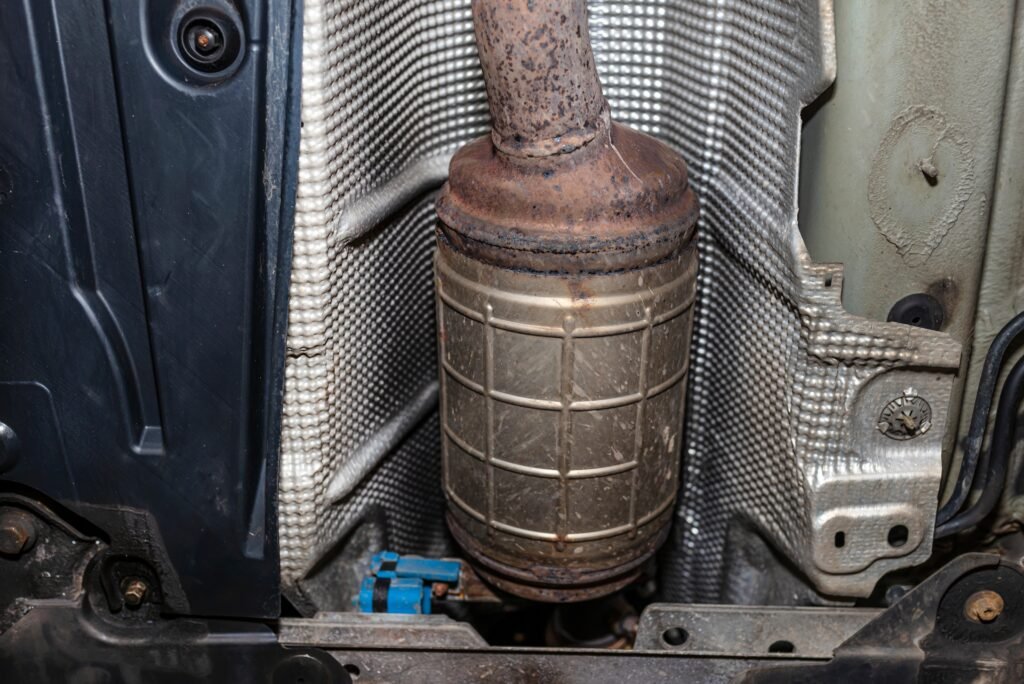
The Diesel Particulate Filter (DPF) sits inside your BMW’s exhaust system. Its job is simple but critical — it traps harmful soot particles produced during diesel combustion before they escape into the atmosphere. Without a working DPF, your BMW fails to meet Euro 5 emission standards, making it illegal to drive on UK roads and an automatic MOT failure.
Since February 2014, UK MOT tests include a mandatory DPF inspection. If your filter is missing, visibly damaged, or emitting excessive smoke, your car will fail — no exceptions.
Why BMW DPFs get blocked: the main causes
A DPF is designed to clean itself through a process called regeneration — but this process needs the right conditions. When those conditions aren’t met regularly, soot builds up until the filter becomes blocked. Here are the most common reasons BMW DPFs fail to regenerate properly:
- Short city journeys — The biggest culprit for UK drivers. Stop-start urban driving never allows the engine to reach the temperature needed to burn off soot. If your BMW rarely leaves city streets or short commutes, your DPF is at high risk.
- Faulty sensors — Pressure sensors and temperature sensors monitor the DPF’s condition. When they fail, the ECU can’t trigger regeneration at the right time, leading to rapid soot build-up.
- Low-quality or contaminated fuel — Fuel containing excess sulphur or water content can damage the ceramic channels inside the DPF, reducing its filtration efficiency and leading to premature failure.
- Neglected engine maintenance — A poorly serviced engine burns oil or produces excess soot, overwhelming the DPF far quicker than a healthy engine would.
- Wrong engine oil — Using non-low-ash oil in a BMW diesel causes excessive ash deposits inside the DPF that cannot be burned off during regeneration — only professional cleaning can remove them.
- Interrupted regeneration cycles — If you switch off your engine mid-regeneration (common during active regeneration), the process fails and soot remains trapped.
Warning signs your BMW DPF needs cleaning
Your BMW will tell you when something is wrong — if you know what to look for. Don’t ignore these signs, as a partially blocked DPF can quickly become a fully blocked (and very expensive) one:
- DPF warning light on the dashboard — The most obvious sign. If this light stays on and doesn’t clear after a motorway run, your DPF needs professional attention.
- Reduced engine power / limp mode — A blocked DPF restricts exhaust flow, forcing the ECU to reduce power to protect the engine. You’ll notice sluggish acceleration and difficulty maintaining speed.
- Increased fuel consumption — When the exhaust can’t flow freely, your engine works harder and burns more fuel. A noticeable drop in mpg is a common early warning sign.
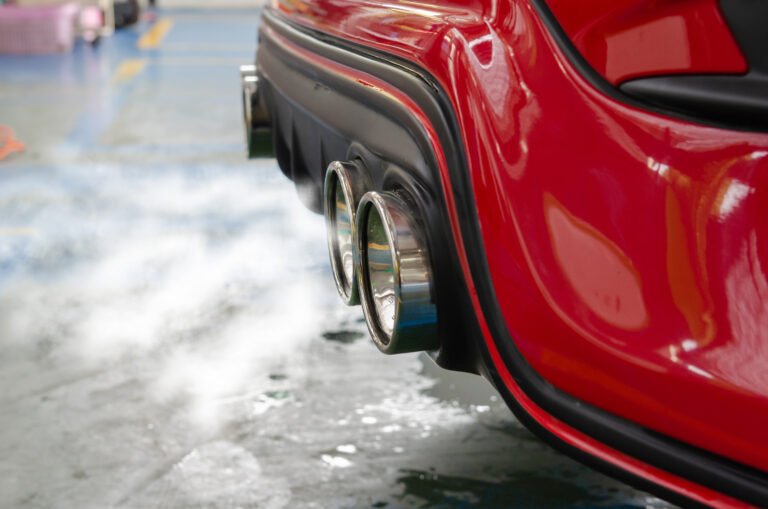
- Black smoke from the exhaust — Unburned soot escaping the exhaust is a clear sign the filter is no longer doing its job effectively.
- Unusual noises — rattling or banging — Increased exhaust backpressure from a clogged DPF can cause audible rattling, especially when accelerating.
- Engine management light (EML) alongside DPF light — This combination usually indicates a sensor fault compounding the blockage. Diagnostics are essential before any cleaning is carried out.
Don't ignore
Don't ignore
The two types of BMW DPF regeneration explained
Passive regeneration
This happens automatically during sustained motorway driving at higher speeds. When exhaust gas temperatures rise sufficiently — typically above 600°C — accumulated soot burns off without any driver input or ECU intervention. For BMW owners who regularly cover long motorway miles, passive regeneration keeps the DPF clean without any additional action needed.
Active regeneration
When passive regeneration can’t happen — because journeys are too short or temperatures too low — your BMW’s ECU triggers active regeneration. It injects additional fuel to raise exhaust temperatures artificially and burn off the soot. This process takes around 30 minutes and may trigger a dashboard light while it’s running. Switching off the engine before it completes will abort the cycle and leave soot deposits behind.
How professional DPF cleaning works
When regeneration isn’t enough either because soot loading is too high or the filter contains ash that can’t be burned off professional cleaning is required. Here’s what a reputable DPF cleaning service does:
-
Full diagnostic assessment Before any cleaning begins, fault codes are read, soot levels are measured, and exhaust backpressure is checked. This confirms whether cleaning is suitable or if further faults need addressing first.
-
Controlled regeneration (for moderate blockages) Using specialist diagnostic equipment, technicians force a full regeneration cycle at controlled temperatures, burning off soot that normal driving couldn’t clear.
-
Off-car ultrasonic cleaning (for severe blockages) The DPF is removed from the vehicle and subjected to ultrasonic cleaning, which uses high-frequency sound waves to dislodge compacted soot and ash deposits from the ceramic channels. This restores full exhaust flow.
-
Before-and-after flow testing Responsible cleaning services measure exhaust backpressure both before and after the clean to confirm the filter has been genuinely restored — not just temporarily cleared.
-
System reset and recalibration After cleaning, the DPF soot counter in the ECU is reset using diagnostic software. Without this step, the car may continue to behave as if the filter is blocked even after a successful clean.
DPF cleaning vs DPF replacement: which do you need?
Many BMW owners assume a blocked DPF means an expensive replacement. In most cases, that’s simply not true. A professional clean will restore full function if the filter’s ceramic substrate is physically intact. Replacement is only necessary when:
- The DPF substrate is cracked or melted (often caused by overheating from a failed regeneration)
- The filter has been contaminated with engine oil from a serious oil leak
- The filter has exceeded its maximum ash capacity and can no longer be cleaned effectively
- Physical damage has compromised the filter housing or seals
A qualified DPF specialist will always assess the filter’s condition before recommending replacement, giving you the most cost-effective solution.
How to prevent BMW DPF problems: tips for UK drivers
- Take regular motorway runs — A 20–30 minute run at 60–70 mph every couple of weeks gives your DPF the conditions needed for passive regeneration. Particularly important if most of your driving is urban.
- Use the correct low-ash engine oil — BMW specifies low-SAPS (Low Sulphated Ash, Phosphorus, and Sulphur) oils for its diesel engines. Using the wrong grade accelerates ash build-up in your DPF.
- Don’t short-trip exclusively — If your lifestyle means constant short journeys, consider whether a petrol model would be more practical for your use case.
- Don’t ignore small warning signs — Addressing a partially blocked DPF costs far less than dealing with a fully blocked one that has damaged the turbo.
- Service your BMW regularly — A well-maintained engine produces less soot. Follow BMW’s recommended service intervals and use approved parts and fluids.
- Use quality fuel — Stick to reputable fuel stations and avoid cheap, unbranded diesel where possible.